Wetsuit Guide
Find the right type of wetsuit—and valuable tips to keep you from getting cold.
The Wetsuit—A Must-Have
We live in Sweden, and no matter how much we’d like to, the water and air temperatures often make it impossible to enjoy water activities without some kind of protection against the cold. This applies to everyone—from recreational surfers during the summer months to die-hard enthusiasts who are out there as long as the water is ice-free.
No matter which category you fall into, it’s incredibly important that your cold-weather protection meets your expectations and truly fits like a second skin. We at Surfers know wetsuits inside and out and are happy to help you choose the right one.
Choosing the right wetsuit can seem difficult at first. With this simple guide, we want to help you find the right one. A wetsuit’s performance is determined by a combination of thickness, fit, and additional lining. These factors determine how warm the suit is and how it performs in different temperatures.
Contents
Choosing the Right Wetsuit
Your wetsuit is perhaps the most important part of your gear. With the right wetsuit, you’ll become a better surfer.
A wetsuit is made of neoprene, which, simply put, is a flexible rubber compound. Neoprene varies in thickness, allowing the wetsuit to be adapted to different water temperatures. Colder water requires thicker neoprene for better insulation.
Neoprene can have different levels of flexibility, which provides a better fit and greater mobility. However, flexibility does not significantly affect the wetsuit’s insulating properties.
Wetsuits are usually a combination of two or three different thicknesses. A 5/3 wetsuit is 5 mm thick on the torso (to provide warmth to the body’s most vital parts) and 3 mm thick on the arms (for better mobility).
Video – Choosing the Right Wetsuit
The zipper—on the back, on the chest, or none at all?
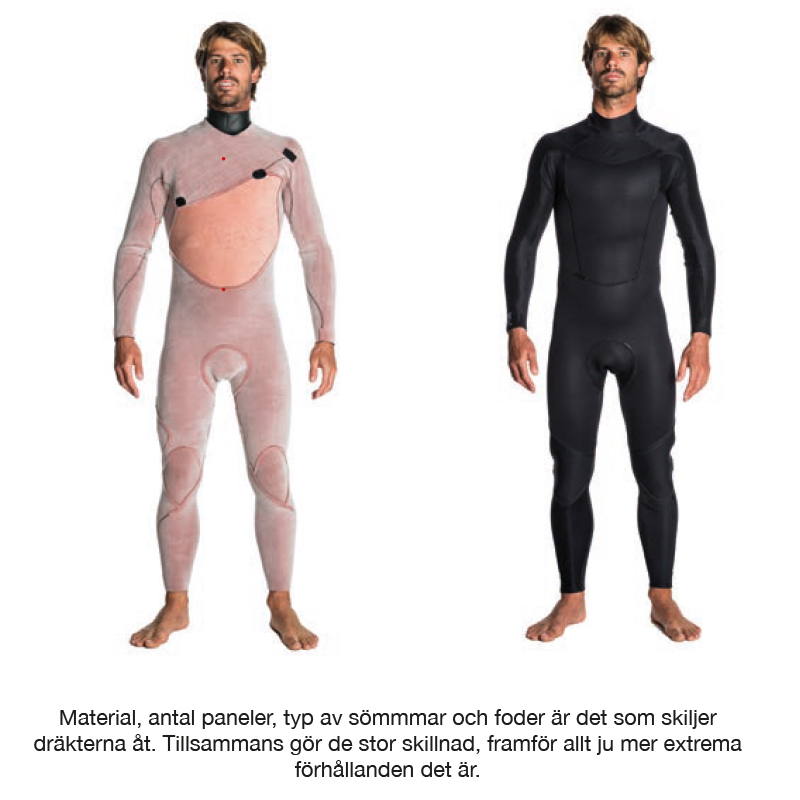
The most common and traditional design is a vertical zipper on the back. Recently, wetsuits with a short horizontal zipper on the chest have become available, as well as wetsuits with no zipper at all. Today’s wetsuits with a short chest zipper—or so-called “zip-free” wetsuits—are so flexible that you can slip them on through the neck opening.
Different surfers prefer different designs for various reasons. Some prefer a chest zipper because it creates a full panel across the shoulders, which provides better mobility and less water leakage. The same applies to zipperless wetsuits—they offer maximum mobility. The downside of a chest zipper or a zipperless wetsuit is that they’re perceived as harder to put on and take off.

Back Zipper
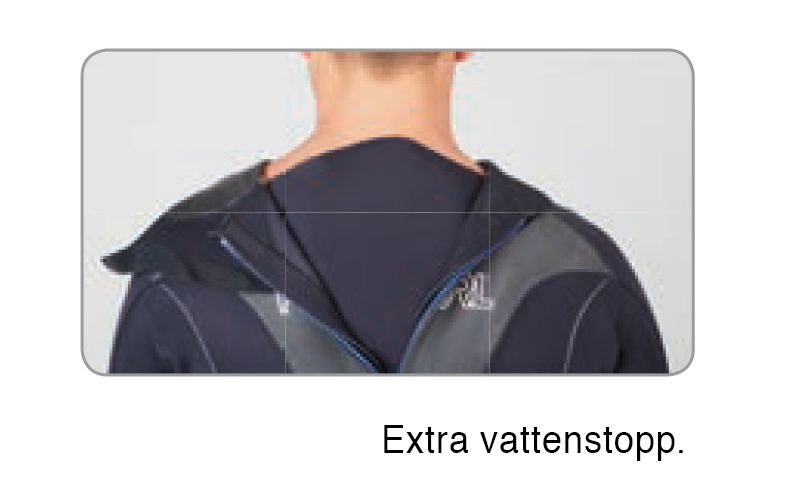
Wetsuits with a back zipper are easier to put on and take off. Most wetsuits today have an extra layer of neoprene on the back that acts as a water barrier—often called a “batwing” (see image).
Single-layer, double-layer nylon, or both?
The choice of material depends largely on what the wetsuit will be used for.
Single-layer nylon
Neoprene on the outside and nylon on the inside. These wetsuits are the warmest, since they absorb less water.
Double nylonMost in demand
More durable than single-layer nylon. Modern double-layer nylon wetsuits are currently the most popular, as they are flexible, warm, and long-lasting.
What’s the difference between an expensive wetsuit and a cheap one?
Why pay 4,000 kronor for a wetsuit?
Today, you can buy really cheap wetsuits at supermarkets and similar stores. Our “most basic” wetsuits are significantly more expensive—but to be honest, the difference is enormous. It’s not uncommon for customers to come in and tell us they bought a cheap wetsuit and froze. We don’t even want to call those products wetsuits: the material in low-priced wetsuits doesn’t trap air like a real wetsuit does, which makes them so much colder—not to mention how stiff they are.
But what sets a 1,700 kr wetsuit apart from one that costs 4,000 kr?
Above all, you’re paying for the collar system, fit, and elasticity. The most expensive wetsuits have a better collar system, so less water gets in, making them warmer. They also use a different type of pattern fitting with more curves in the panels, which makes the manufacturing process more complicated.
But the biggest difference by far lies in the elasticity of the neoprene and the seams. The finest wetsuits are so soft and supple that it’s hard to describe—you have to experience it. Moving in a super-soft suit requires less energy, so you become more agile, have greater endurance, and are more explosive. The more expensive suits also usually have an extra lining that provides additional warmth.
Seams and linings make a difference
The quality of the neoprene, its thickness, and any lining affect the warmth of the wetsuit. The way the wetsuit is constructed and the techniques used also make a huge difference.
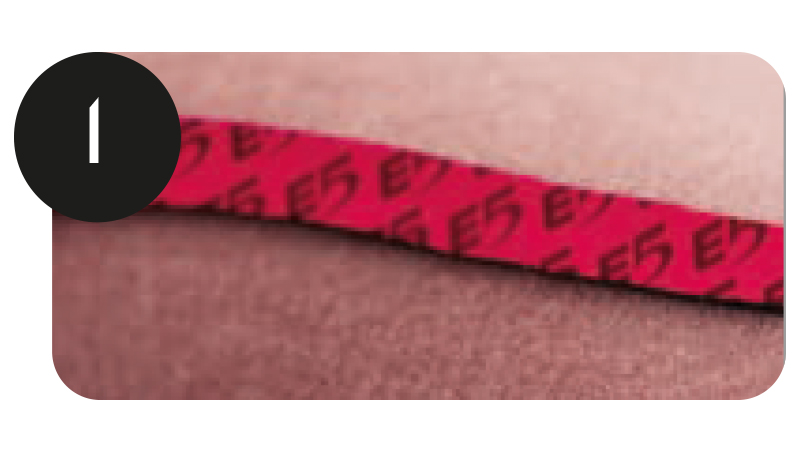
1 – Glued and taped:Warmest
The wetsuit is assembled entirely without thread—it’s glued and reinforced with tape. This technique is used today on the most advanced wetsuits and provides maximum flexibility and warmth.
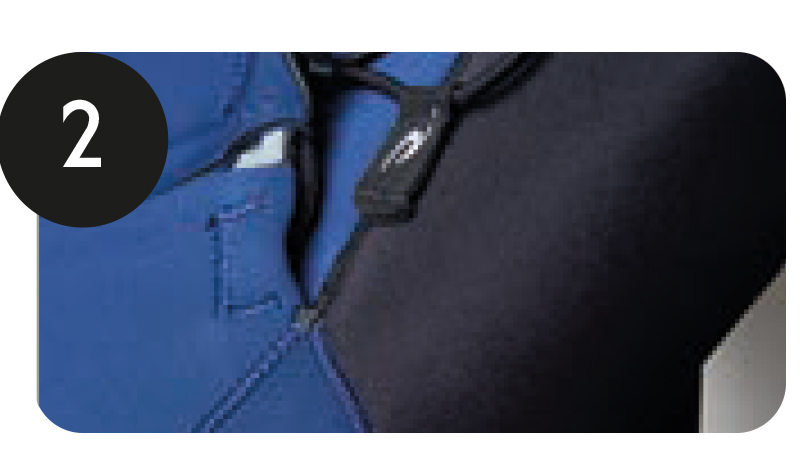
2 – Blind-stitched
The pieces are glued together and then sewn halfway into the neoprene. This means the needle doesn’t go all the way through, resulting in a tight seam. A warm and good alternative.
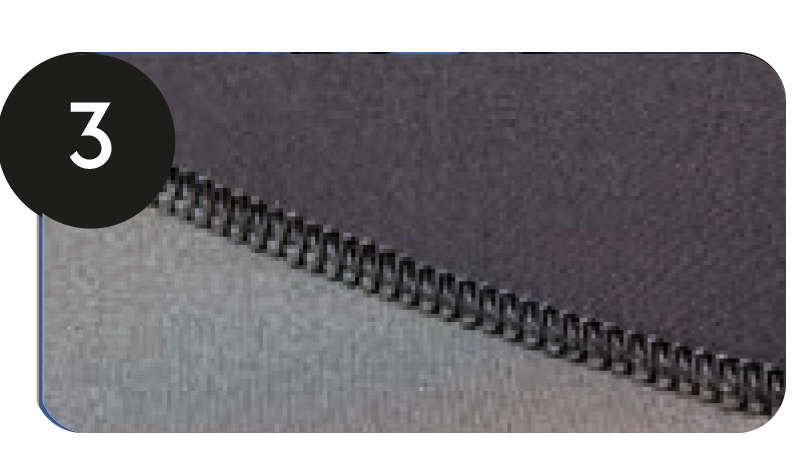
3 – Flatlock
Two overlapping pieces are sewn together straight through. This results in a strong and durable wetsuit, but the seam lets water in. Used on simpler wetsuits for summer use.
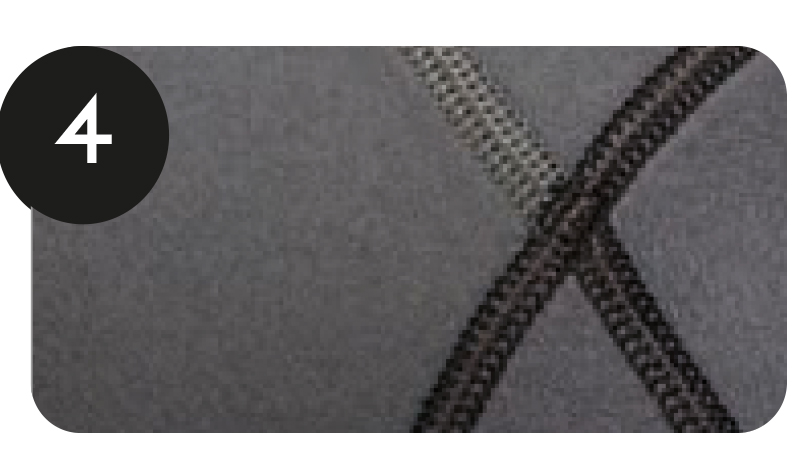
4 – Overlock
Two edges of the neoprene are joined and lightly stitched with thread—much like the seam on a sweatshirt. This is the cheapest and simplest way to assemble a wetsuit.
Applications
In our extensive selection of wetsuits and accessories, you’ll find suits for surfing, windsurfing, kiting, water skiing, and wakeboarding. We have everything from specialized racing wetsuits and surf wetsuits that let you surf even when the water is near freezing, to affordable, high-quality wetsuits for summer water activities. When choosing a wetsuit, it’s very important to be clear about what you’ll be using it for and what your requirements are in terms of warmth and flexibility.
Size and Thickness
Keep in mind that the wetsuit should fit like a second skin—not too small and definitely not too large. With our extensive experience with wetsuits, we’ll help you find the right size and suit. On our website, you’ll find size charts under each product.
Different Thicknesses for Different Uses
Of course, you want to wear as little as possible in the water. That’s why wetsuits come in different thicknesses and technologies—a wetsuit tailored to the prevailing conditions is ideal.
0.5–1.5 mm
Not really wetsuits. These garments protect against chafing and the sun and provide a little extra warmth. They’re used in tropical waters but can also be worn as a liner under a thicker wetsuit.
2 mm
Typical 2 mm wetsuits include shorties and long johns—for those who want a little extra warmth in warmer waters. Simpler seams, such as flatlock, are usually used.
3/2 mm
3 mm on the torso and 2 mm on the arms. Extremely popular among surfers on the Atlantic Coast and works great here at home in the summer. This category includes everything from simple, inexpensive wetsuits to truly advanced ones—and the difference is enormous. A 3/2 with simple seams works in warm water, while a more advanced one with tight seams and a thermal lining works well well into the fall and is excellent in South Africa’s 13-degree water.
4/3 mm
Has become increasingly popular in Sweden in recent years. The difference from a 3/2 is quite significant, since you get 3 mm of neoprene in the arms. That extra millimeter makes a big difference in warmth, especially if you’re kitesurfing or windsurfing. At the same time, the wetsuit is a bit more flexible than a 5/3. Many people today have a winter wetsuit with an integrated hood, and in that case, the 4/3 has proven to be an excellent complement. Keep in mind that seams, neoprene quality, and lining also affect warmth and the season.
5/3 mmBest All-Around
The best all-around wetsuit in Sweden. If you’re looking for a wetsuit that works from early spring to late fall—spend your money on a 5/3 with tight seams. That way, you’ll get a warm, high-quality wetsuit with a wide range of uses. If you pair it with boots, a hooded vest, and gloves, you can even go diving in the winter.
Winter wetsuits with hoods, 6/5/4
These wetsuits have opened up an entirely new season: as long as the water is open, you can now actually surf without freezing. They’re designed for truly cold conditions and use the best materials and technical solutions available. They come in slightly different thicknesses—the thicker ones are warmer, and the thinner ones offer better mobility.
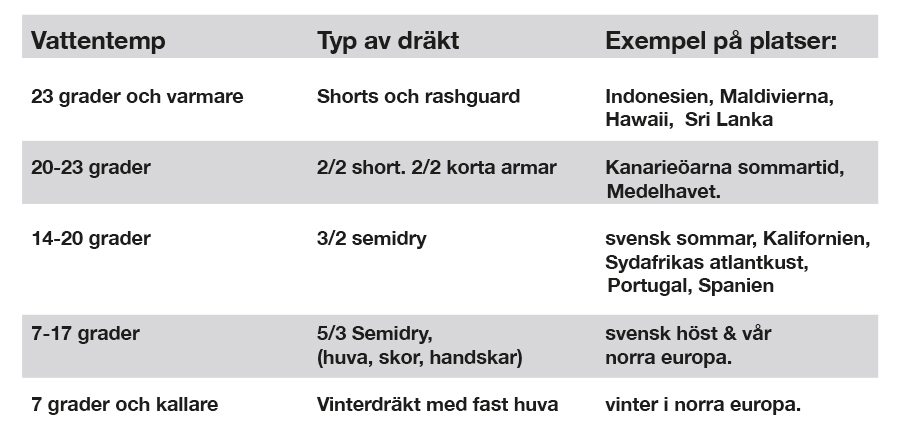
It’s important to be clear about what you’ll be using the wetsuit for and what your requirements are in terms of warmth and flexibility.
Boots, gloves, and hood
These essential accessories make all the difference. Unfortunately, a good suit alone isn’t enough—it must be complemented with accessories.
Shoes
Above all, wetsuit boots are used to retain heat, but they’re also great for protecting your feet and providing better traction. Wetsuit boots should fit very snugly—they absolutely must not be too big.
Reef shoes
Low-cut. Protects your feet but doesn’t really provide any warmth. Usually 1.5–2 mm thick.
3 mm, high-cut
Suitable boots for Swedish summers and fall.
5 mm, high-cutMost common
The most common all-around surf shoe in Sweden.
7 mm, high shaft
Thick shoes for really cold water. Common among surfers in the winter.
Gloves
Gloves and surfing aren’t really a good combination, but in our climate, they’re unfortunately a must when it gets cold. Gloves come in various thicknesses and styles.
Gloves have a fairly short lifespan when used by kitesurfers and windsurfers. Most gloves are designed for surfing, and the soft material that makes them work so well is, unfortunately, not durable enough to grip a boom.
Video – gloves
Video – Glove Wear and Tear
Hoods
A hood is a must when it starts to get cold. They come in a few different styles, and it’s the fit and thickness that set them apart.
Surf cap
Features a small strap instead of a collar to keep it in place. Not as warm as a hood, but provides extra warmth without making you feel confined.
Standard hood
A simpler hood with a small collar.
Pro hood
Warmer hood with more panels for a better fit, often with a larger collar.
Hood with vest
A great combination—you get a warm, integrated design with less exposure at the neck and throat.
Rash Guard
A small accessory that we northerners often forget about. The rash guard is worn next to the skin to prevent chafing and protect against the sun. This small investment can give your old wetsuit a whole new feel and provides great sun protection when the weather allows. Today, there are rash guards with thermal linings—really comfortable for early-morning surf sessions in Sri Lanka, while also providing extra warmth under your wetsuit in cold water.
Surfing in warm water
Wetsuit in warm water?
We’d like to wrap up this guide with a few words and tips on surfing in warm water.
Sure, you want to surf, kiteboard, and windsurf in just shorts—it doesn’t get any better than that. But if you only have one or two weeks planned, we strongly recommend that you protect yourself from the sun and chafing. Chafing and sunburn can easily ruin a week of vacation.

Windsurfing and Kitesurfing
Wear a rash guard—both to protect yourself from the sun and to avoid chafing from the straps.
Surfing
Chafing on the chest and knees is, unfortunately, common in tropical waters. The wax combined with the salt water can be quite painful and force you to take one or more days off. We therefore recommend a slightly thicker neoprene shirt or vest—and perhaps a pair of tights—for the first few days until your skin adjusts.
- When you’re surfing, it’s easy to hit reefs or other obstacles on the bottom. A pair of reef shoes is therefore a good idea, so you don’t cut your feet.
- Don’t forget sunscreen and zinc for your face.
Take good care of your wetsuit
- Sun and salt will ruin your wetsuit.Rinse it in fresh water and let it dry in the shade for maximum longevity.
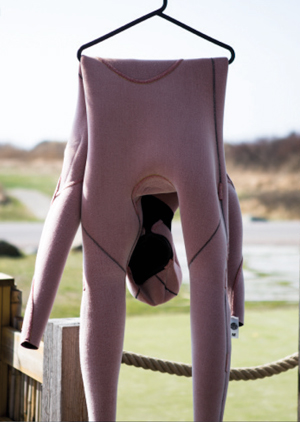
- Don’t hang the wetsuit on a hanger when it’s wet.Instead, hang it folded in half on the drying rack so the shoulder area doesn’t get damaged.
- Be careful with your fingernailswhen putting on and taking off the wetsuit—wetsuits, especially those made of single-layer nylon, cannot withstand sharp objects.
- Always open Velcro fasteners and zippers completelybefore putting on or taking off the wetsuit.
- If you want to wash the suit, use wetsuit detergent or lukewarm water and a soap solution.